By Late-Q3, the typical US buyer's monthly payment reached $2.6K, a 14-mo high, as mortgage costs climbed and median sale prices held firm.
The national median home-sale price ↑~2% yearly to ~$399K, adding affordability pressure and helping keep pending sales flat MoM and lower yearly.
Mortgage-purchase applications were slightly lower recently, while new listings fell MoM around holiday timing but still stayed modestly above the comparable 2025 period.
Seller strategy mattered more: ~21% of active listings cut prices, and an agent noted sharper pricing helped attract attention while overpricing created hesitation.
Inventory also improved, with active supply ↑~2% yearly to 1.5M homes and supply near 4 mo, still shy of a balanced market.
Blog
-

US Buyers Navigate 14-Month Cost High
-
Mesquite – Most Expensive Homes of August 2026
Mesquite — Most Expensive homes for August 2026.
Listings (sorted by price):
1. Listing 21286238 — $1,100,000
2. Listing 21326656 — $795,000
3. Listing 21282338 — $714,694
4. Listing 21281105 — $677,450
5. Listing 21231601 — $650,000
6. Listing 21322609 — $643,478
7. Listing 21233295 — $624,999
8. Listing 20692541 — $595,990
9. Listing 21315612 — $589,990
10. Listing 21282756 — $585,000
11. Listing 21355272 — $577,000
12. Listing 21273740 — $574,990
13. Listing 21343244 — $569,623
14. Listing 21322399 — $561,741
15. Listing 20371871 — $558,950 -
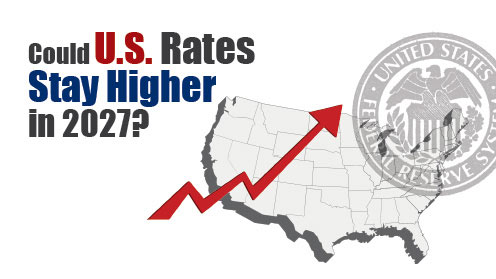
Could U.S. Rates Stay Higher in 2027?
Persistent inflation and elevated long-term Treasury yields are making a rapid return to low interest rates less certain.
The Federal Reserve faces competing pressures as policymakers balance inflation risks against signs of weakening economic momentum.
Higher long-term yields could keep borrowing costs elevated for consumers, businesses, housing, and commercial real estate.
Investors may increasingly favor a balanced approach as interest-rate uncertainty, fiscal pressures, and inflation continue influencing financial markets. -

U.S. Home Prices Ease Across Major Metros
In Mid-Q3, price per square foot fell yearly in 36 of the 50 largest US metro areas, showing broader cooling across major housing markets.
Nationwide, price per square foot was ↓~2% yearly in Mid-Q3, marking the 10th straight month of yearly softening in this national measure.
The market lost momentum as Mid-Q3 ended, with some sellers cutting asking prices more sharply to attract buyers and bring expectations closer together.
High mortgage rates continued to challenge affordability, especially in markets that surged during the pandemic, prompting sellers to meet buyers closer to the middle.
An economist said many boom-era markets were giving back part of their pandemic gains, helped by inventory levels that were above pre-pandemic norms. -

Maximizing Record Home Equity for Greater Purchasing Power
It’s easy to look at today’s home equity statements and feel like values are at an all-time high. But behind those strong nominal prices, there’s a more nuanced story: since fall 2025, inflation-adjusted home values actually dropped about 4% here in Texas, and 2% nationally. In real terms, many homeowners aren’t seeing more purchasing power than they had in 2019. As someone who helps Dallas Metroplex residents navigate not just buying and selling, but also strategic timing and positioning, I believe it’s never been more important to look past the headlines and dig into what your equity can truly accomplish for you. My priority is to make sure you feel informed and confident about your options, especially when the numbers on paper don’t always reflect the full picture.
Continue to full article -

Hillwood Highlights $20B Denton County Development Growth
Big news for our area: Denton County is preparing for major growth, with over 12,000 acres set aside for development and more than $20 billion in planned investment. This means thousands of new homes, expanded retail options, new schools, community parks, and even a $1.25 billion manufacturing campus on the horizon—exciting changes that will reshape our local landscape. As someone who helps clients navigate buying, selling, and building in the Dallas Metroplex and northeastern suburbs, I’m always keeping an eye on projects like this because they bring both incredible opportunities and unique challenges, from infrastructure planning to neighborhood impact. If you’re thinking about your next move—whether it’s upsizing, downsizing, or finding new construction—staying informed about these developments is key to making confident choices in our dynamic market.
Continue to full article -

REPORT: Texas home buyers score discounts in August
August brought some interesting shifts in our local Texas housing market. Over 79% of homes sold below asking price across major metros, which is a notable advantage for buyers right now. In particular, Austin saw its median price drop by 6.3%, while Fort Worth experienced a 2.6% decrease. Dallas, on the other hand, had a modest 0.9% rise in median price. Inventory remains strong, but both Dallas and Fort Worth had fewer new listings coming to market.
As someone who helps clients navigate buying and selling throughout Dallas, Rockwall, Forney, and our northeastern suburbs, I know how important it is to stay informed about these trends—whether you’re considering your next move or just keeping an eye on your neighborhood. My goal is always to protect your interests and ensure you feel confident making decisions, especially as market conditions evolve.
Continue to full article -

Why Buyers and Sellers Are Stuck
Across Dallas, Rockwall, Forney, and our surrounding communities, I’m seeing firsthand how today’s market dynamics are keeping both buyers and sellers on the sidelines. Higher mortgage rates have made monthly payments less attractive, so many buyers are pausing their search or holding off on making offers. At the same time, homeowners who secured lower rates in years past are understandably hesitant to let go of those affordable payments—so we’re seeing fewer new listings come to market. This combination is creating what I call a housing stalemate: buyers are waiting for better payment options, while sellers don’t want to lose their great loan terms. If you’re feeling stuck or uncertain about how to move forward, know that you’re not alone. With careful planning and clear communication, it’s still possible to navigate these challenges and coordinate a successful move, even in a slower market.
-

US Home Prices Face Real Value Erosion
It’s easy to feel overwhelmed by the headlines: US home prices continue to rise on paper, but the real story is more nuanced. In Q2 2026, while nominal home prices climbed nationally, one key federal index actually stayed flat from mid- to late-quarter after adjusting for seasonal trends. Year-over-year appreciation in a national index reached about 1.5% by late Q2—an uptick from around 1% earlier in the quarter, yet still trailing inflation by nearly 2 points (inflation is hovering near 3.5%). What does this mean for homeowners and buyers? After factoring in inflation, real home values declined for the 13th consecutive month, though slower inflation and slightly stronger price gains have started to ease the pace of that erosion. One federal measure has shown positive annual appreciation every quarter since early 2012, so nominal prices have remained strong, even as inflation puts pressure on real value.
For those navigating today’s market—especially first-time buyers—affordability remains a core concern. Typical monthly payments on existing single-family homes rose again this quarter, making it even tougher to take that first step. My role is to help you make sense of these trends and guide you through every decision, whether you’re buying, selling, or coordinating both. With a strategy tailored to your needs and clear, compassionate communication, I’m here to help you feel informed and confident in every phase of your real estate journey.
-

Texas homebuyers more likely to use private mortgage insurance than any other state
Here in Texas, more homebuyers are using private mortgage insurance (PMI) than anywhere else in the country—and for good reason. In 2025 alone, over 64,000 Texas households benefited from PMI, helping buyers save an average of $51,645 at closing. For many of my clients in Dallas, Rockwall, Forney, Mesquite, Lavon, Royse City, and the surrounding communities, this is a game changer—especially with 58% of these buyers being first-timers. PMI can shorten the wait for homeownership by over 15 years, making it possible to move forward sooner than many expect. As someone who takes pride in guiding clients through each step and explaining every option, I make it a priority to ensure you feel supported and confident, whether you’re buying your first home or coordinating a move. Understanding how tools like PMI can open doors is just one way I work to protect your interests and help you achieve your real estate goals.
Continue to full article